Pioneer and leader in the same industry
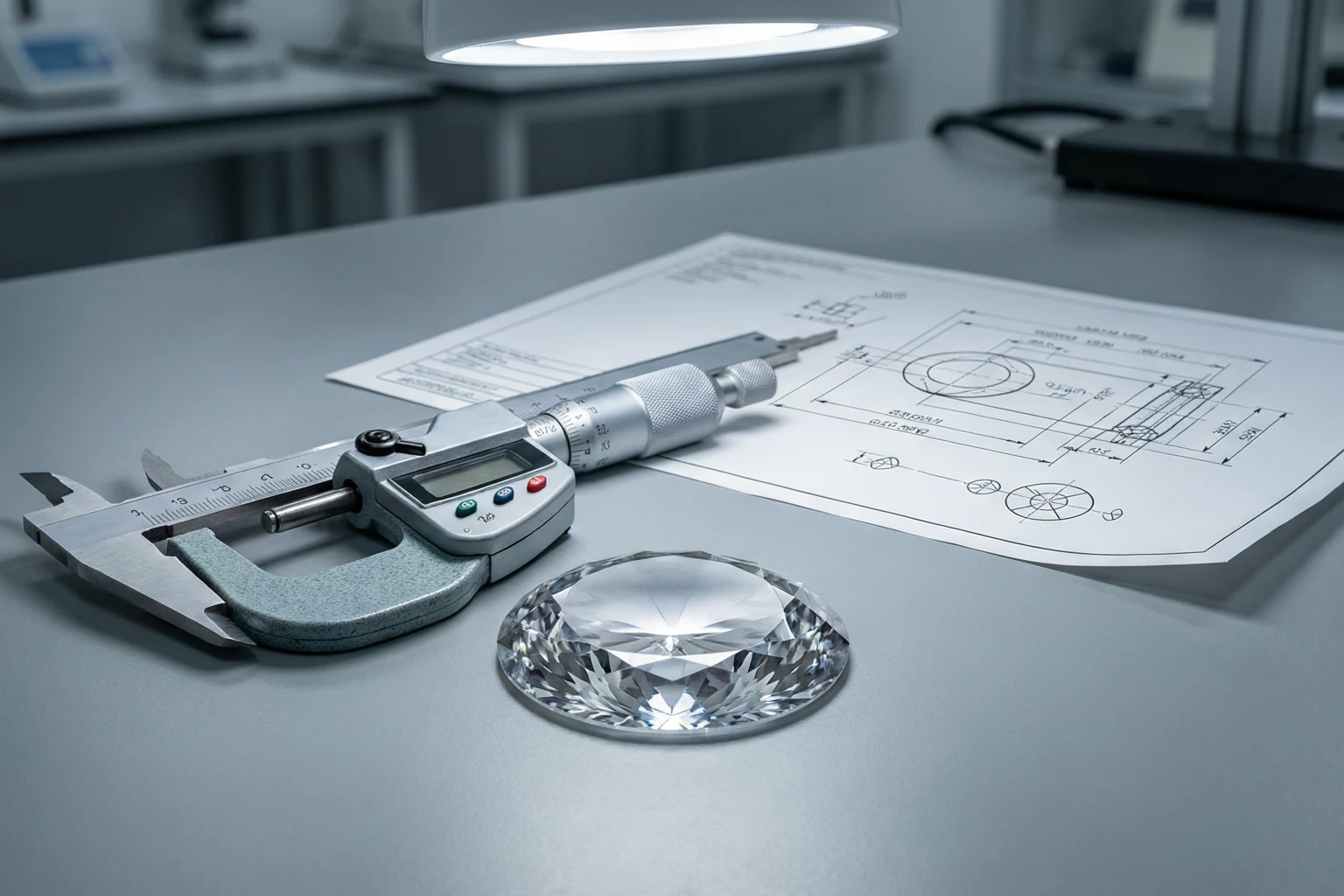
Achieving a perfect seal in a timepiece relies less on the sapphire’s clarity and more on the invisible mathematics of sapphire crystal tolerance watch engineering. If the outer diameter (OD) of the crystal lacks the necessary clearance relative to the case recess, or if the tolerance stack-up is miscalculated against the gasket’s compression rate, the result is inevitable water ingress or structural stress on the case. For sourcing managers and engineers, the priority is to define a dimensional window that allows for secure assembly without compromising the water-resistance rating of the final product.
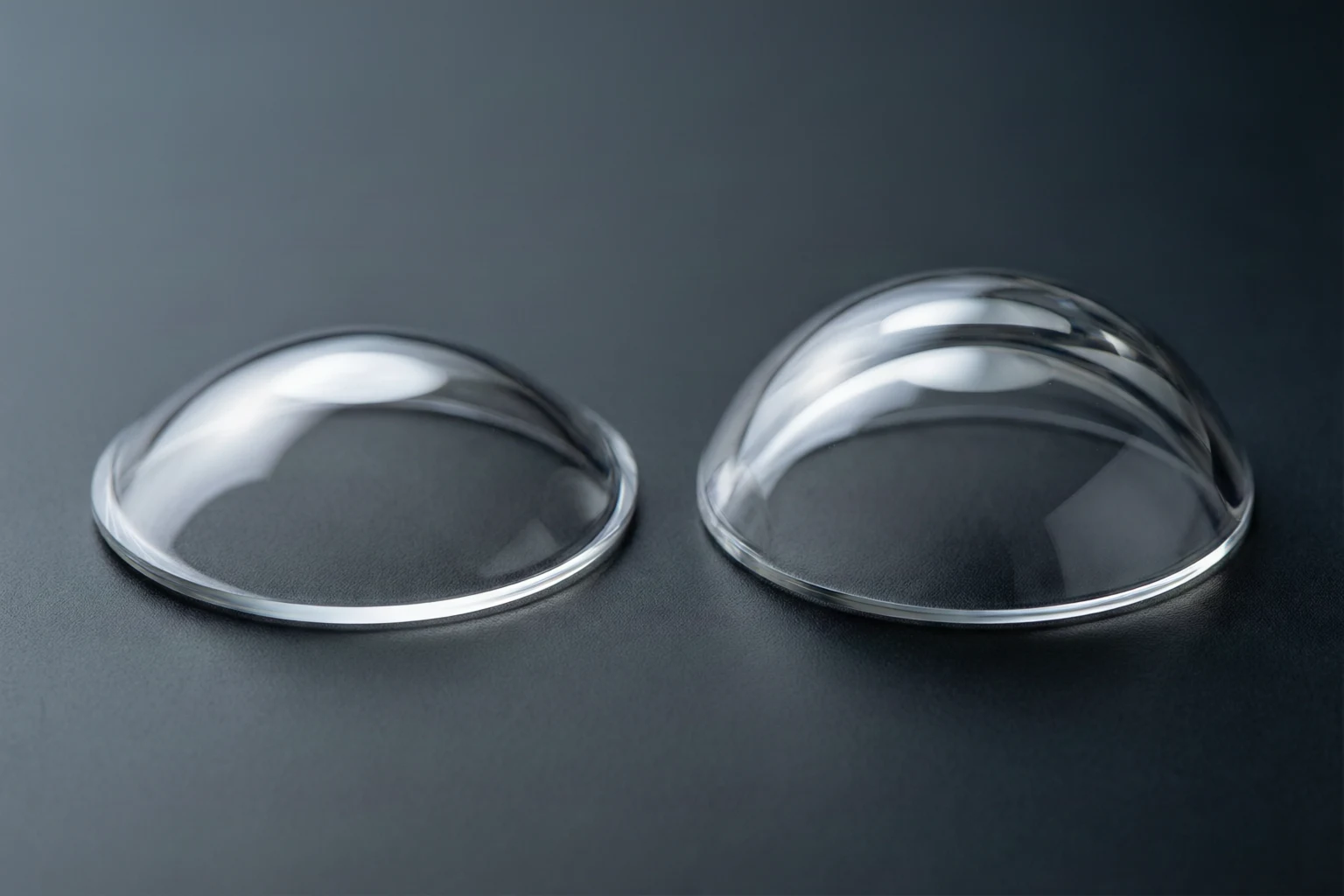
For watch designers and sourcing managers, the choice between single-domed and double-domed sapphire comes down to a trade-off between visual depth and spatial economy. A single-domed crystal curves only on the exterior, offering a sleek, low-profile aesthetic, while a double-domed crystal curves on both sides, providing greater volume and a pronounced "vintage" magnification effect that requires significantly more case height.

To receive an accurate and actionable price from a sapphire watch glass supplier, you must provide more than just a sketch or a photo. You need a comprehensive technical package that defines the geometry, material properties, surface treatments, and volume requirements. Without these specific details, any supplier is forced to estimate, leading to price volatility and potential production delays. By preparing a precise technical brief, you enable the engineering team to assess feasibility, tooling needs, and material utilization correctly.


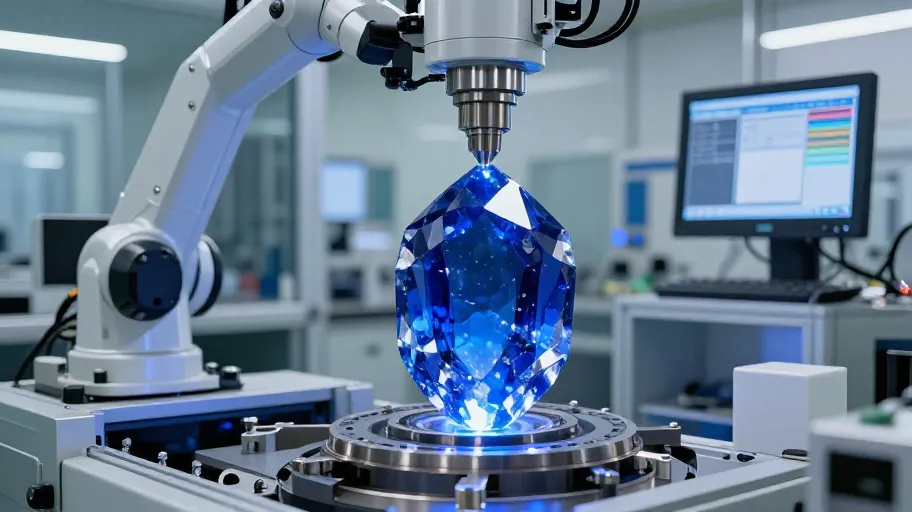
China dominates sapphire optical glass production by mastering crystal growth and cutting costs by 30–50%. This isn’t just scale—it’s integration, data, and control. Here’s why the world now depends on sapphire china factory output.



Page 6 of 9