Pioneer and leader in the same industry



Selecting the correct crystal geometry is a foundational decision in watch development that dictates the timepiece’s aesthetic personality and engineering parameters. Flat, box-type, and domed sapphire watch glass types each offer distinct advantages regarding visual hierarchy, water resistance integrity, and dial legibility. For sourcing managers and designers, the choice requires balancing the desired vintage or modern profile against the practicalities of case sealing and manufacturing yield.
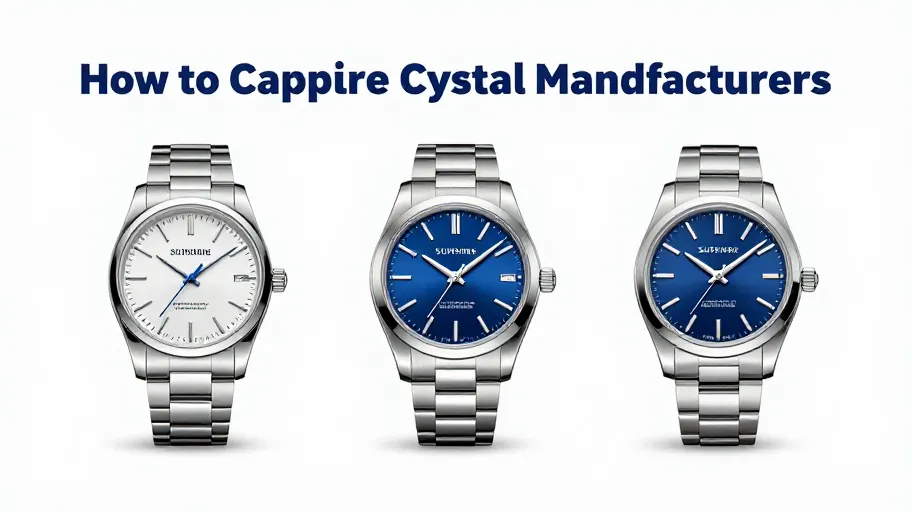
Selecting a sapphire watch crystal manufacturer requires a shift from price-based shopping to capability-based auditing. For procurement teams and product developers, the risk of sourcing sub-standard synthetic sapphire extends beyond immediate aesthetics to long-term durability and brand reputation. To effectively compare suppliers, you must move beyond marketing claims and demand evidence of process control, vertical integration, and quality assurance. The most reliable partner is not necessarily the one with the lowest unit price, but the one who can transparently document their material origin, dimensional consistency, and defect management protocols.
Page 3 of 9