Pioneer and leader in the same industry
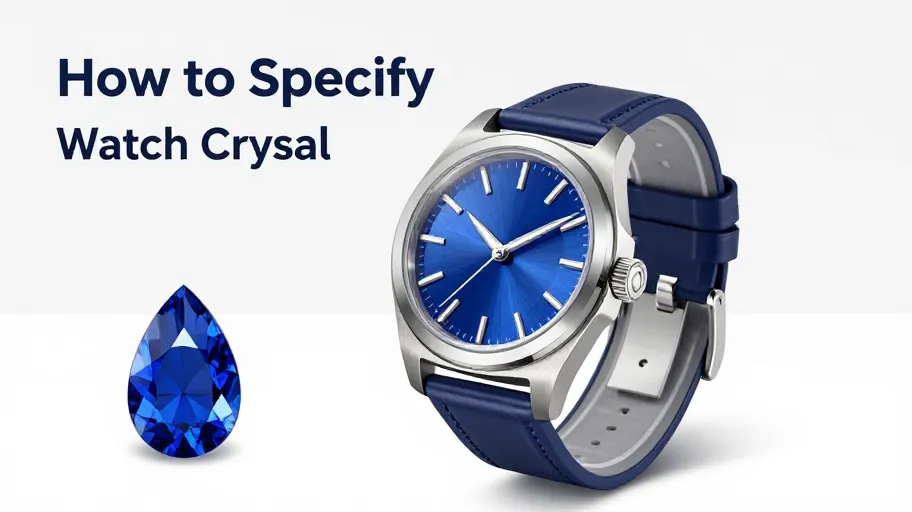
To successfully procure a custom sapphire watch crystal that fits perfectly and performs reliably, you must move beyond basic dimensions and define a comprehensive technical specification that covers geometry, optical grade, and surface treatment. By utilizing a structured framework to document these attributes, you ensure the manufacturer can engineer a component that aligns strictly with your case design and performance standards.

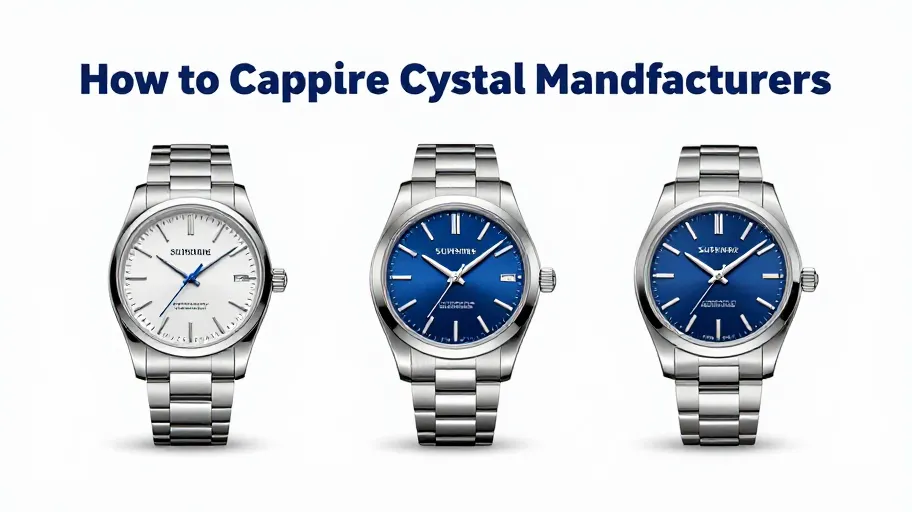
Selecting a sapphire watch crystal manufacturer requires moving beyond simple price comparison. For procurement and quality teams, the priority is ensuring that the supplier can consistently deliver optical clarity, dimensional precision, and coating durability at scale. To mitigate risk, buyers must apply a rigorous verification framework that evaluates technical capability, process control, and evidence-based quality assurance rather than relying solely on sales presentations.

Selecting the correct sapphire watch glass types is a foundational decision that balances aesthetic intent against engineering constraints. For watch designers and private-label brands, the choice between flat, box-type, and domed geometries determines not only the visual identity of the timepiece but also the complexity of the supply chain. Flat profiles offer maximum structural efficiency and coating simplicity; box-type crystals provide vintage dimensionality without the extreme edge-thinning of domes; domed sapphires deliver superior visual depth and scratch-resistance angles but require careful thickness verification to maintain water resistance. The optimal choice depends on aligning the geometry with the specific utility and design language of the collection.


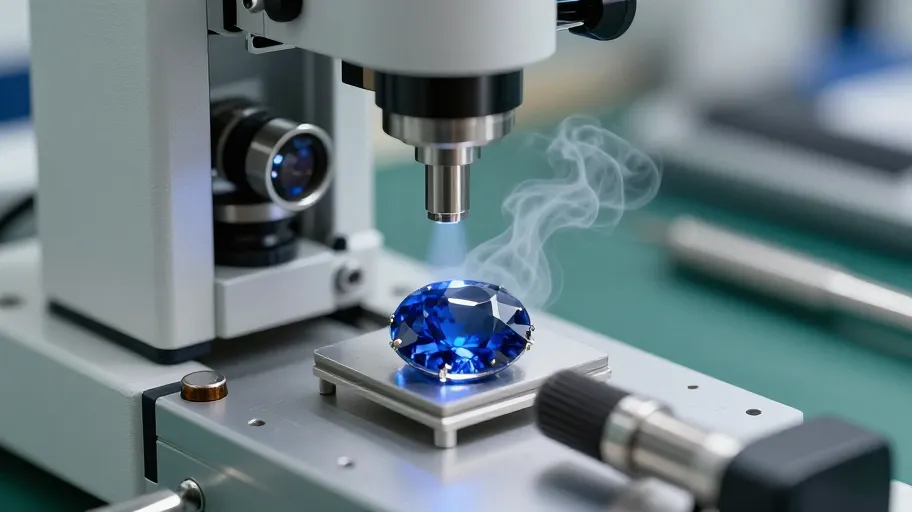
Online gateway smoke test article 08250948 about sapphire watch crystal manufacturing.

Page 4 of 9