Pioneer and leader in the same industry
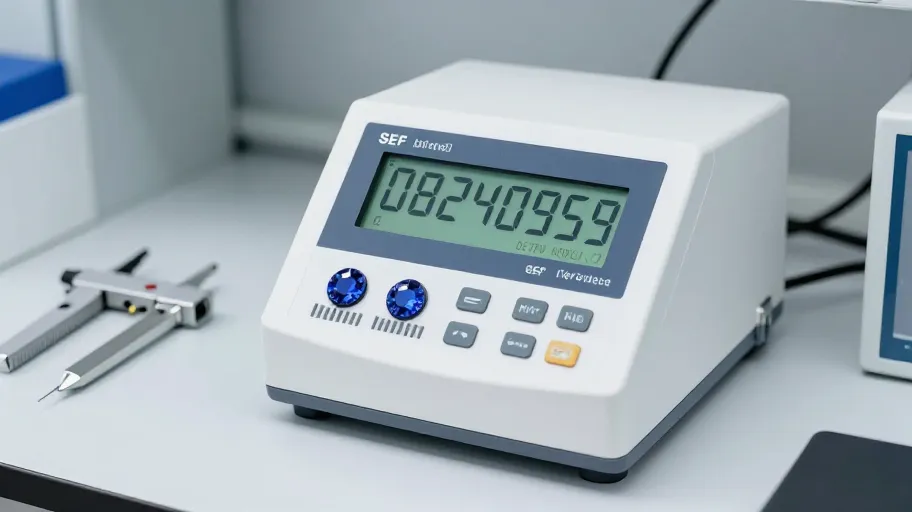
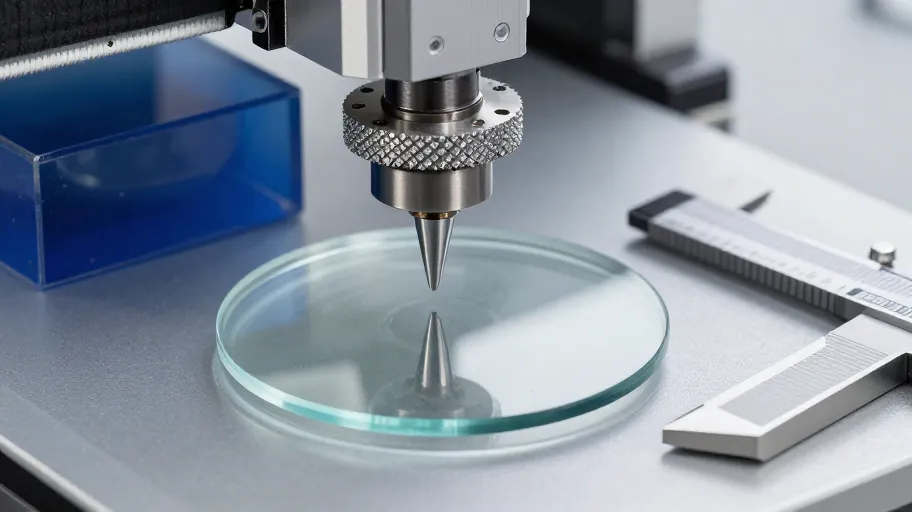
This is a link notification test article 08221051. Sapphire watch crystal manufacturing process.
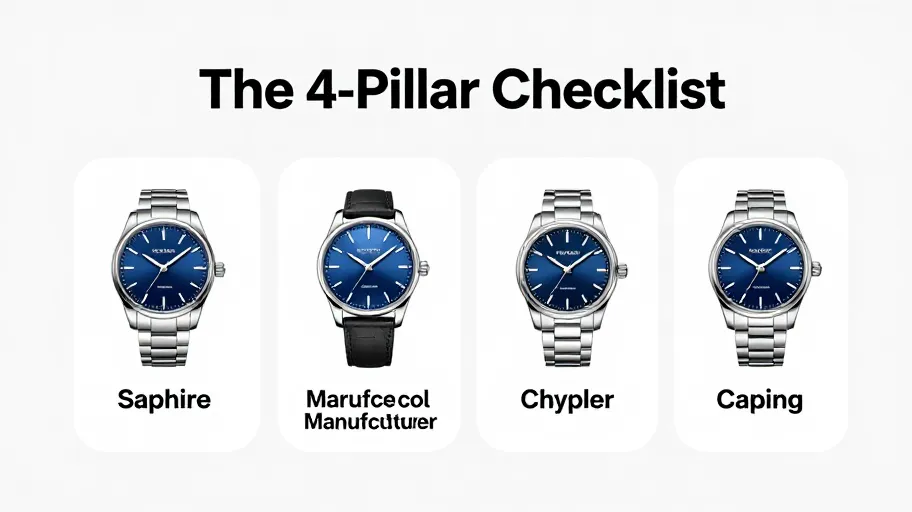
Sourcing a reliable sapphire watch crystal manufacturer requires looking beyond unit price to assess technical capability and quality control. To mitigate supply chain risk, procurement teams should apply the 4-Pillar Verification Model, evaluating suppliers based on their production processes, precision equipment, quality documentation, and partnership structure. This framework allows buyers to verify claims and ensure the supplier can meet specific custom requirements.
Sourcing a reliable sapphire watch crystal manufacturer requires looking beyond unit price to assess technical capability and quality control. To mitigate supply chain risk, procurement teams should apply the 4-Pillar Verification Model, evaluating suppliers based on their production processes, precision equipment, quality documentation, and partnership structure. This framework allows buyers to verify claims and ensure the supplier can meet specific custom requirements.
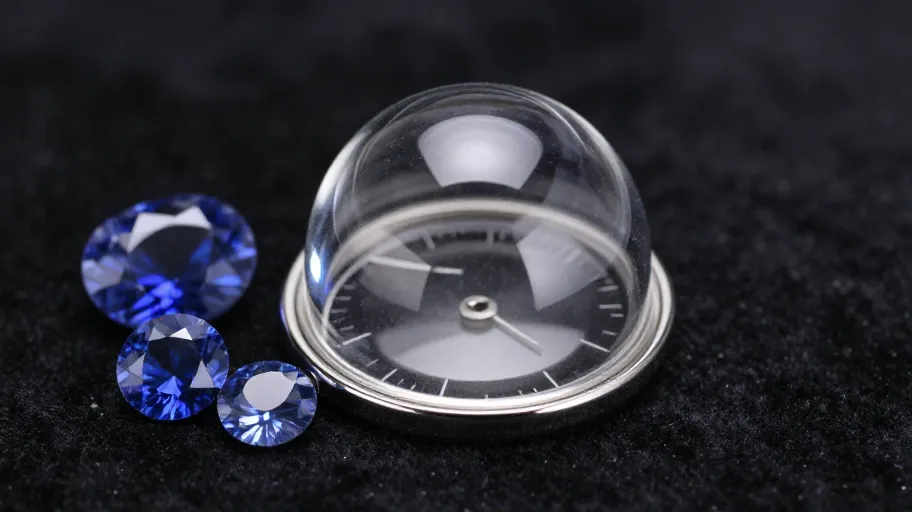
Sapphire watch glass is the premium material for high-end timepieces.
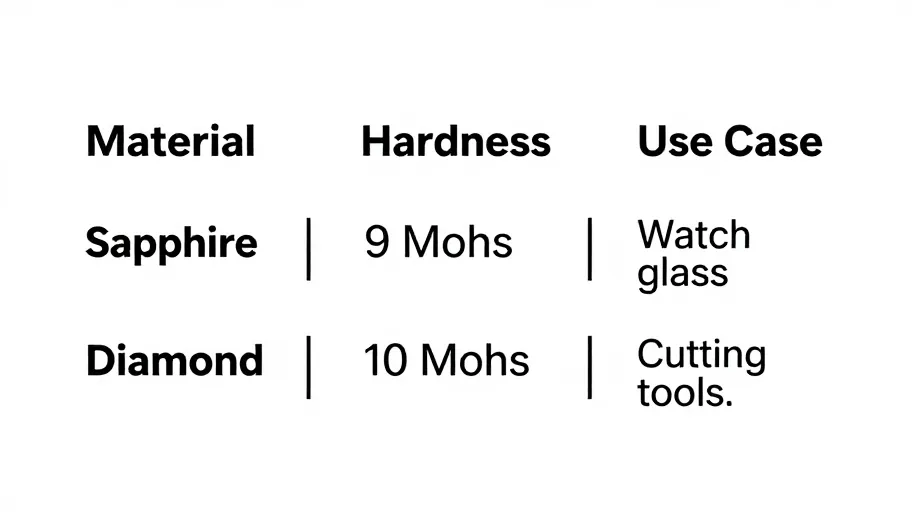
This article contains a pipe table but no contentFormat field.
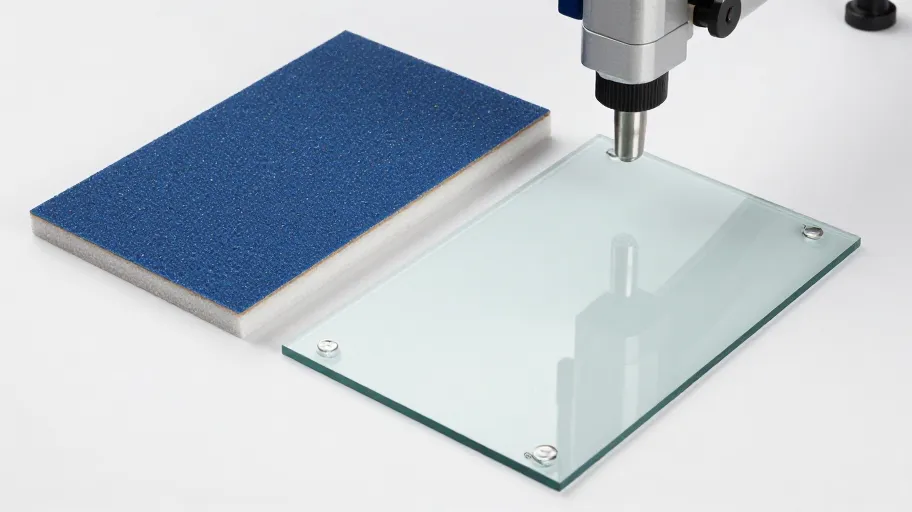
Sapphire lapping film uses fixed diamond abrasive particles bonded to a polyester backing for precision flattening of watch glass blanks.

Selecting the correct sapphire watch glass types is a foundational decision that balances aesthetic intent with engineering reality. Flat crystals offer maximum optical clarity and streamlined assembly, box-type crystals deliver vintage authenticity with sharp edges, and domed crystals provide a classical, magnified look but require precise case geometry management. For watch designers, the optimal choice depends on how the crystal’s profile aligns with the case design, water resistance targets, and the desired visual refraction of the dial.

Sourcing a reliable sapphire watch crystal manufacturer requires looking beyond unit price to assess technical capability and quality control. To mitigate supply chain risk, procurement teams should apply the 4-Pillar Verification Model, evaluating suppliers based on their production processes, precision equipment, quality documentation, and partnership structure. This framework allows buyers to verify claims and ensure the supplier can meet specific custom requirements.

To ensure a successful production run of a custom sapphire watch crystal, you must move beyond basic dimensions and define the optical, geometric, and surface tolerances required for your specific assembly. A complete specification reduces engineering iteration cycles and ensures the supplier can accurately assess manufacturability. This guide outlines the critical parameters—geometry, material grade, optical treatment, and quality standards—necessary to procure components that fit your case and meet your performance criteria.
Page 5 of 9